

What is DevOps-as-a-Service and why startups are switching to it
Cloud & DevOps Engineering
DevOps-as-a-Service (DaaS) is a cloud-based delivery model where a third-party team manages your software delivery pipelines, infrastructure automation, monitoring and security operations end-to-end, and it is gaining fast traction among technical founders and engineering leaders under pressure to scale fast, stay secure and ship features continuously.
This guide covers what sets DaaS apart from traditional in-house DevOps and why it fits startups with lean teams and tight budgets particularly well.
A smarter way to grow DevOps
Building a great product is hard. Building and maintaining the infrastructure that powers it is even harder, especially when your team is small, your funding is limited and your roadmap keeps evolving.
That is why more startups are shifting away from the traditional in-house approach to a leaner model: DevOps-as-a-Service (DaaS). This model augments your engineering capabilities with cloud-native experts who automate, monitor and improve your infrastructure continuously.
The sections below explore why this model is winning over technical founders, senior engineers and fast-growing teams worldwide.
What is DevOps-as-a-Service?
DevOps-as-a-Service is a cloud-based delivery model where a third-party team manages your software delivery pipelines, infrastructure automation, monitoring and security operations end-to-end.
It functions as having a full DevOps team on standby without the overhead of hiring, training and managing them in-house.
Core responsibilities typically include:
CI/CD pipeline setup and management.
Infrastructure as Code (IaC) using tools like Terraform or Pulumi.
Cloud cost optimization.
Cloud security and compliance enforcement.
Incident response and postmortem analysis.
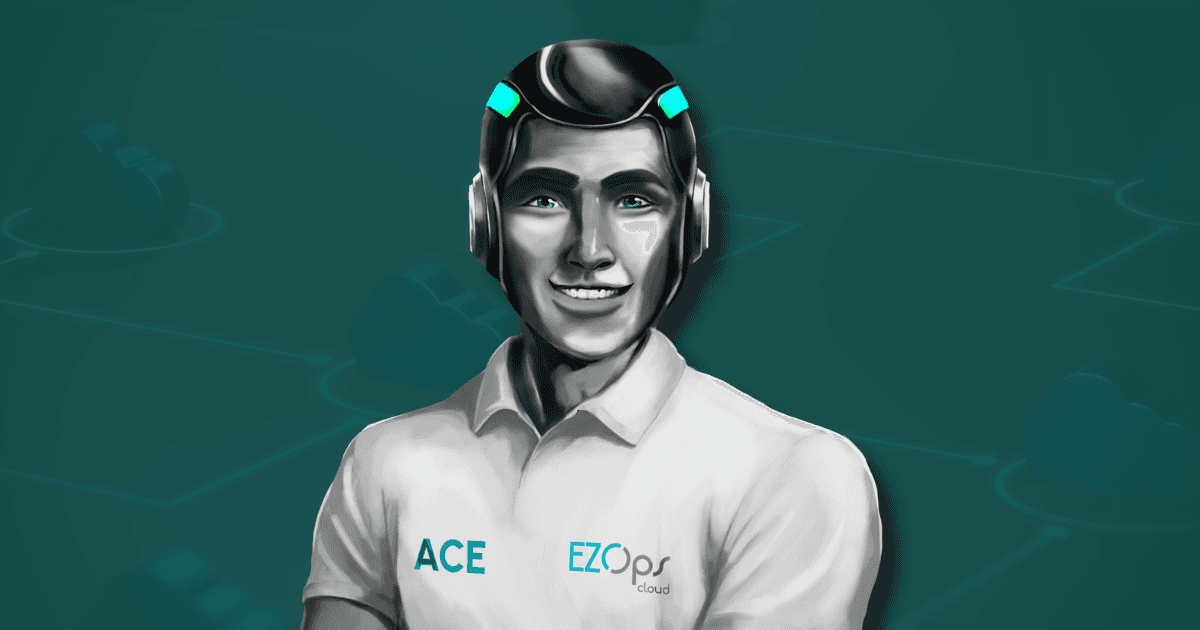
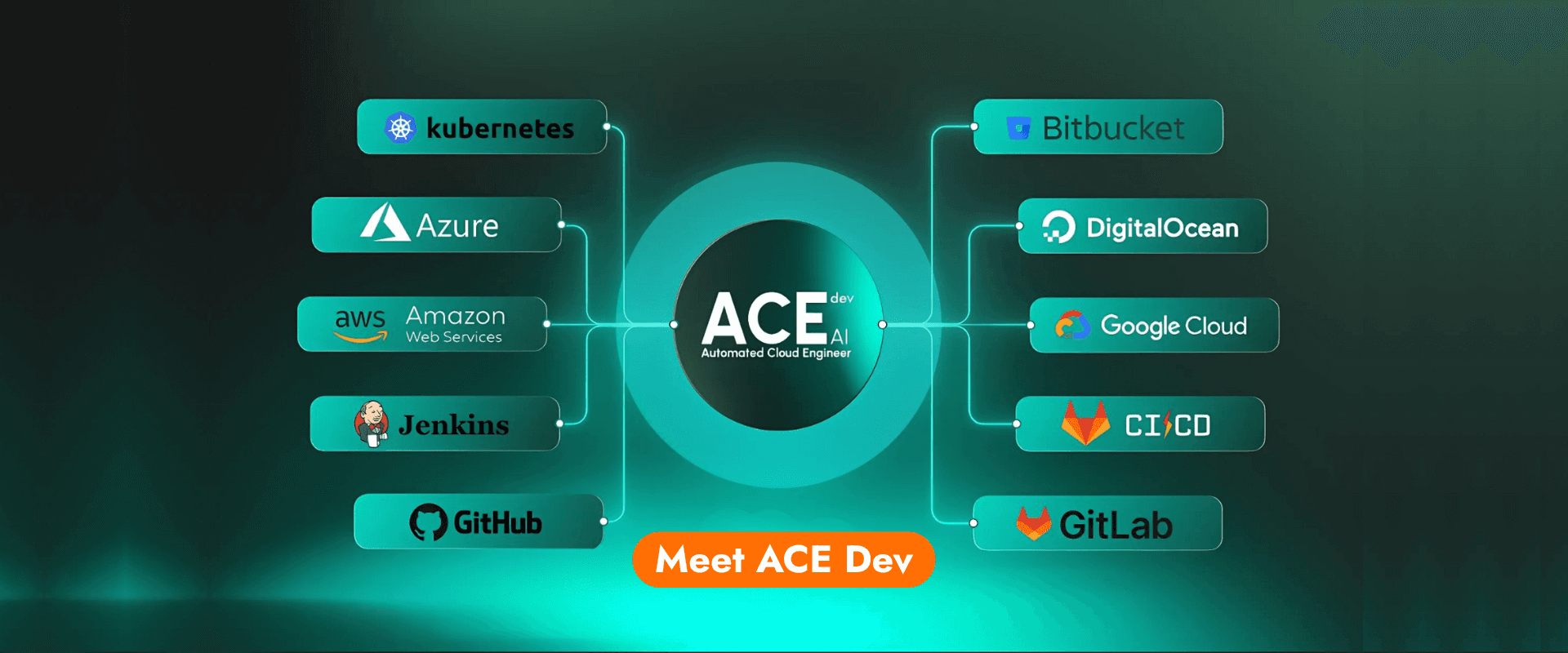
At EZOps Cloud, our clients gain access to 24/7 DevOps support combined with our AI agent, ACE Dev, which handles real-time detection, diagnosis and automated recommendations across their environments.
DaaS vs. traditional DevOps: what's different?
Choosing the right DevOps strategy can transform how fast and effectively your business delivers. While traditional DevOps relies on in-house teams and slower onboarding, DevOps-as-a-Service gives you access to scalable, expert-driven solutions from day one.
Aspect | Traditional DevOps | DevOps-as-a-Service |
Team | In-house engineers | External specialists |
Hiring cost | High | Predictable monthly rate |
Coverage | Business hours | 24/7 availability |
Automation | Depends on internal maturity | Built-in from day one |
Scalability | Slower (team-dependent) | On-demand and fast |
Risk | High during staff turnover | Distributed and stable |
For fast-paced teams, the DaaS model removes bottlenecks and improves time-to-value. You get battle-tested frameworks tailored to your stack and goals from the start. Talk to us.
Why startups are making the switch
1. Speed without burnout
You want to ship features faster but your developers are already wearing too many hats. DaaS offloads infrastructure tasks so your team can focus on building core products.
Use case: a Series A fintech startup partnered with EZOps Cloud to automate deployments and monitor uptime across three cloud environments. Within 30 days, deployment times dropped by up to 70% and engineers stopped getting paged outside business hours.
2. Built-in best practices
DaaS providers follow security and compliance best practices from day one: Zero Trust, IaC, automated backups and role-based access, without needing to train your team from scratch.
3. Lower costs, higher ROI
Hiring DevOps talent is expensive and competitive. DaaS offers senior-level expertise at a fraction of the cost with no risk of turnover or delays from onboarding.
4. 24/7 incident coverage
Whether it is a 500 error at 3 a.m. or a broken deployment pipeline, DaaS gives you real-time response. With AI agents like ACE Dev, incidents are detected and diagnosed in minutes, with recommended actions surfaced before your team even steps in.
5. Flexibility without rebuilding
DaaS grows with you. Need a new CI pipeline? Switching cloud providers? Launching in a new region? A good partner adapts your stack without forcing major rewrites.
What to look for in a DevOps-as-a-Service provider
Before signing with any DevOps partner, evaluate their track record. Look at how long they have been operating, client reviews, testimonials, published case studies and the size or complexity of projects they have delivered.
Once that is clear, verify whether they meet these essential criteria:
Proven track record with a significant volume of projects delivered.
24/7 availability support and monitoring.
Customization for your startup's stack and goals.
Security-first mindset (Zero Trust, IaC and MFA enforcement).
AI automation to reduce manual effort.
EZOps Cloud delivers on all of the above.
DaaS in action: how ACE Dev accelerates delivery
At EZOps Cloud, our clients gain access to ACE Dev, our AI-powered cloud engineer.
ACE Dev continuously monitors and analyzes cloud infrastructure, surfacing precise diagnosis and recommended actions for EZOps engineers to validate and execute.
In practice, ACE Dev:
Detects 500 errors and recommends traffic balancing adjustments.
Deploys Amazon CloudWatch alerts in minutes.
Prepares Blue-Green rollout configurations for validated deployment.
Manages backup and archival workflows to Amazon S3 Glacier for long-term efficiency.
FAQ
Q1. What is DevOps-as-a-Service (DaaS)?
A cloud-based delivery model where a third-party team manages your software delivery pipelines, infrastructure automation, monitoring and security operations end-to-end, without the overhead of hiring an in-house team.
Q2. How is DaaS different from traditional DevOps?
Traditional DevOps depends on in-house engineers and internal maturity, with business-hours coverage. DaaS offers external specialists, built-in automation and 24/7 availability at a predictable monthly rate.
Q3. Is DevOps-as-a-Service a good fit for early-stage startups?
Yes. It gives lean teams senior-level DevOps expertise and 24/7 incident coverage without the cost and time of hiring, training and managing an internal team.
Q4. What should I evaluate before choosing a DaaS provider?
Track record and volume of projects delivered, 24/7 support, expertise across AWS, Azure and GCP, customization to your stack, a security-first mindset and built-in AI automation.
Final thoughts
DevOps-as-a-Service is a smarter way for modern startups to evolve their operational capabilities.
You keep control of your product vision. We handle the complexity of building and running secure, automated infrastructure. Together, we accelerate your path to growth.
Ready to explore if DaaS fits your strategy? Talk to us or check out our use cases on the EZOps blog.

EZOps Cloud delivers secure and efficient Cloud and DevOps solutions worldwide, backed by a proven track record and a team of real experts dedicated to your growth, making us a top choice in the field.
EZOps Cloud: Cloud and DevOps merging expertise and innovation