



VibeOps and the future of DevOps automation: beyond tools, towards flow
AI & Modern Engineering Practices
This article is a deep dive into VibeOps, the rising paradigm that reframes DevOps automation around developer flow, cognitive load and systems thinking, showing what VibeOps really means, why it matters in a cloud-native, AI-powered world and how your team can adopt the mindset through real-world insights and practical steps.
If you lead engineering, DevOps or platform teams and want to lift performance, reduce burnout and speed up delivery, it shows how moving from tool-centric automation to flow-centric systems can reshape the way your team works.
For over a decade, DevOps has been about breaking silos, automating delivery pipelines and improving collaboration between dev and ops. But the conversation has moved on.
We’re no longer just asking: “what tools should we automate?” We’re asking: “how does this help developers stay in flow?”
That’s where VibeOps comes in.
Coined in the developer community and now gaining traction in major engineering organizations, VibeOps represents a cultural and technical shift: from pipeline-focused DevOps to flow-focused experiences that align infrastructure, automation and observability around developer wellbeing.
Let’s break down what that actually means.
What is VibeOps?
At its core, VibeOps is about optimizing for developer vibes: the state of focused, uninterrupted, high-quality work. Think of it as the evolution of DevOps where developer experience (DX) and team dynamics are first-class citizens.
A flow-first model also changes how you staff delivery, which is why many teams weigh a “Why choose a DevOps outsourcing partner...” DevOps outsourcing partner against a single freelancer before scaling.
Key principles of VibeOps include: cognitive load reduction; context-preserving automation; flow-first infrastructure; minimal toil, maximal impact; proactive observability and feedback loops.
It’s not just a buzzword. It’s a call to shift priorities: from stacking tools and dashboards to architecting systems that keep engineers in flow.
Why VibeOps matters more than ever
In modern cloud-native environments, complexity is growing faster than teams can scale.
Cognitive fatigue is what quietly erodes delivery: it slows cycles, increases bugs and outages, drives burnout and turnover and lowers onboarding velocity.
VibeOps matters because it targets the root: developer mental flow.
Companies like Google, Atlassian and Thoughtworks have invested heavily in developer experience programs that echo these same principles.
But even smaller orgs can benefit.
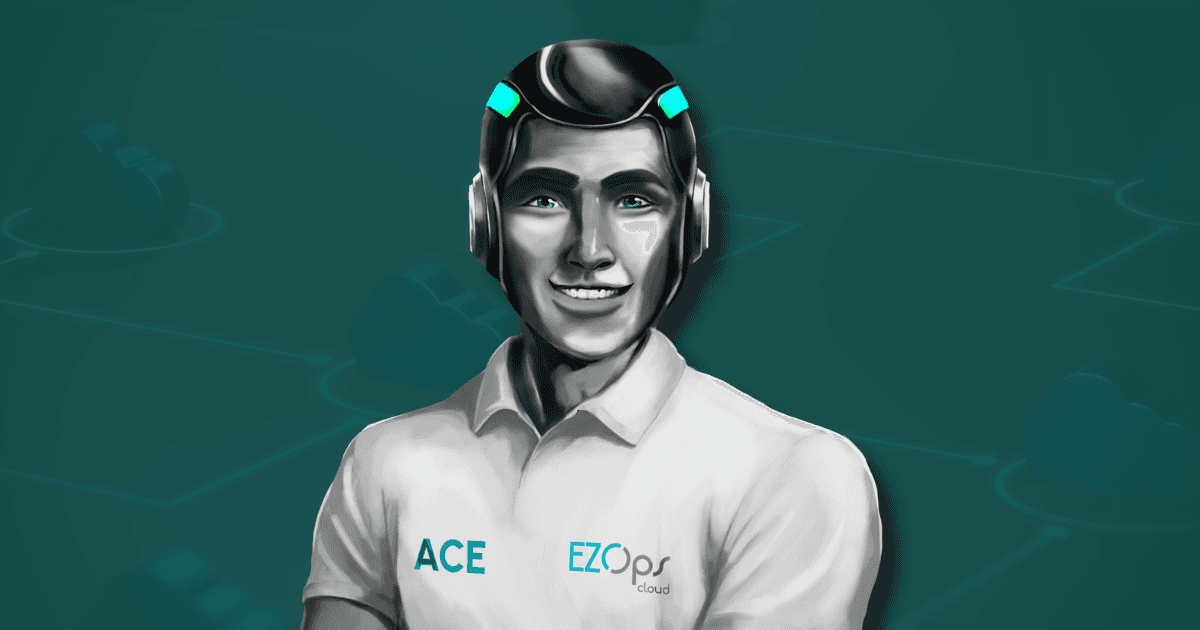
At EZOps Cloud, we’ve seen firsthand how adopting VibeOps, especially with AI agents like [motivo: troquei os dois hifens (travessao) por virgulas e padronizei “AI agents”. ACE Dev can unlock faster delivery, better team health and more resilient systems.
VibeOps vs traditional DevOps
Traditional DevOps | VibeOps | |
|---|---|---|
Focus | Pipelines & Toolchains | Developer Flow & DX |
Metrics | Deployment frequency | Flow time, recovery time, DX |
Tools | CI/CD, infra-as-code | AI agents, observability by default |
Goal | Automate everything | Empower engineers to stay in flow |
Feedback loops | Postmortems & dashboards | Real-time insights & nudges |
How VibeOps shows up in practice
1. AI-powered automations that think in context. Instead of generic scripts, AI agents like ACE Dev assess codebase state, recent incidents and deployment patterns before recommending an action, always within guardrails and human review.
This context-aware automation reduces surprises and builds trust.
2. Frictionless DevEx platforms. Self-service portals, auto-generated staging environments and CLI tools that preserve mental context are becoming standard in VibeOps setups.
3. Real-time flow metrics. VibeOps teams measure flow time, interruption rates and cognitive switching costs, not just uptime or MTTR. Platforms like DX Insights and GitHub Copilot Telemetry are early players here.
4. Dynamic guardrails, not static rules. Instead of inflexible policies, VibeOps promotes guardrails that adapt to team maturity, risk levels and incident learnings, often enforced by AI.
Case study: how ACE Dev supports VibeOps at EZOps Cloud
When one of our clients, a fast-scaling fintech startup, faced delivery slowdowns and growing on-call fatigue, we applied VibeOps principles using ACE Dev.
Key interventions: ACE Dev analyzed commit patterns and recommended optimal deployment windows; we introduced on-demand staging with 1-click rollback; real-time feedback loops flagged potential context switches.
This is what VibeOps looks like in action: systems that protect flow and accelerate output.
How to adopt VibeOps: a 5-step guide
1. Map your developer flow. Identify friction points: handoffs, wait times, unclear ownership. Use interviews, shadowing and telemetry.
2. Introduce AI agents for repetitive tasks. Start with AI agents like ACE Dev to handle infra provisioning, code testing, policy checks and more.
3. Invest in DX tooling. Offer clean UIs, keyboard-first interfaces, fast feedback loops. Think like a product team.
4. Define VibeOps metrics. Go beyond DORA: track flow time, time-to-meaningful-feedback and interruption frequency.
5. Evolve your culture. Celebrate flow. Normalize async work. Reframe productivity around outcome, not hours.
From DevOps to VibeOps: a cultural shift
This is not just a tooling trend. It’s a leadership mindset. VibeOps means prioritizing human-centered engineering practices.
It’s about giving devs the right environment, not just the right tools. When your systems honor flow, your team moves faster, with less stress.
FAQ
Q1. What is VibeOps? A DevOps approach that optimizes for developer flow and experience, aligning automation, infrastructure and observability to reduce cognitive load.
Q2. How is VibeOps different from DevOps? Traditional DevOps optimizes pipelines and toolchains. VibeOps optimizes flow time, developer experience and recovery, measuring interruptions and cognitive switching.
Q3. How do AI agents fit into VibeOps? AI agents like ACE Dev detect issues, diagnose root cause and recommend actions inside existing workflows, while engineers review and approve every change.
Q4. Can small teams adopt VibeOps? Yes. Teams without a dedicated DevOps function can start by mapping developer flow, removing toil and adding context-aware automation with human review.
Final thoughts: where is VibeOps heading?
As AI matures and cloud-native complexity rises, VibeOps will go from niche to necessary. Teams that embrace this shift will deliver faster, retain top engineers and build more resilient software.
At EZOps Cloud, we believe this is the future of DevOps, and we’re building it with ACE Dev.
If you’re ready to align your automation with your team’s energy, let’s talk.

EZOps Cloud delivers secure and efficient Cloud and DevOps solutions worldwide, backed by a proven track record and a team of real experts dedicated to your growth, making us a top choice in the field.
EZOps Cloud: Cloud and DevOps merging expertise and innovation
