



What is vibe coding? The developer-centric movement you need to understand
AI & Modern Engineering Practices
In the high-speed world of modern development, teams aren't just shipping features, they're trying to find a sustainable rhythm.
This article explains what vibe coding is, where the movement came from and how it connects to VibeOps, a developer-centric approach to operations that combines AI automation, flow-friendly tooling and team culture to reduce burnout and ship faster. Written for CTOs, engineering managers and tech founders.
Coding isn’t just about code anymore
In the high-speed world of modern development, teams aren’t just shipping features, they’re trying to find a sustainable rhythm. Between aggressive sprint cycles, rising complexity in cloud infrastructure and the pressure to “move fast and break things” (but ideally without breaking anything), developers are exhausted. Enter: vibe coding.
A term that might sound vague at first, vibe coding actually points to a concrete and growing movement in the world of software engineering. It’s about how developers feel when they code. Not just productivity metrics or burndown charts but flow, autonomy, trust and satisfaction.
It’s the shift from purely operational DevOps to what some are calling VibeOps: developer experience (DevEx) as a core component of operational excellence.
This article will walk you through what vibe coding really is, where it came from, why it matters and how it’s transforming DevOps.

1. Defining vibe coding: from code to culture
Vibe coding is an approach to software development that centers on creating an environment where developers can enter a flow state, reduce friction and truly enjoy the process of building.
This includes minimizing context-switching, streamlining dev environments, investing in psychological safety and team rituals, prioritizing async communication and flexible schedules as well as supporting autonomy while reducing cognitive overload.
The goal is simple: developers who feel good, code better. That means faster delivery, fewer bugs and higher innovation.
2. The origins: why this movement emerged now
The term vibe coding gained traction in 2023 and 2024 alongside broader conversations about Developer Experience (DevEx), Platform Engineering and AI-augmented coding.
Multiple trends converged:
Remote work forced teams to rethink collaboration and team culture;
Gen Z devs entering the workforce with new expectations of work-life balance;
DevOps maturity revealed a need to go beyond pipelines and dashboards;
AI tools like ACE Dev shifted cognitive load from typing to thinking.
As John Capobianco notes, “VibeOps is not just tooling; it’s tuning your org to maximize team confidence.”
3. Vibe coding in practice: what it looks like
So what does vibe coding look like in the real world? Picture a team where:
Onboarding takes hours, not days;
Dev environments are one-click Docker builds or ephemeral cloud workspaces;
Monitoring is visible and real-time;
Teams share memes, async Loom videos and daily check-ins in Slack;
Engineers are trusted to set their own hours and workflows.
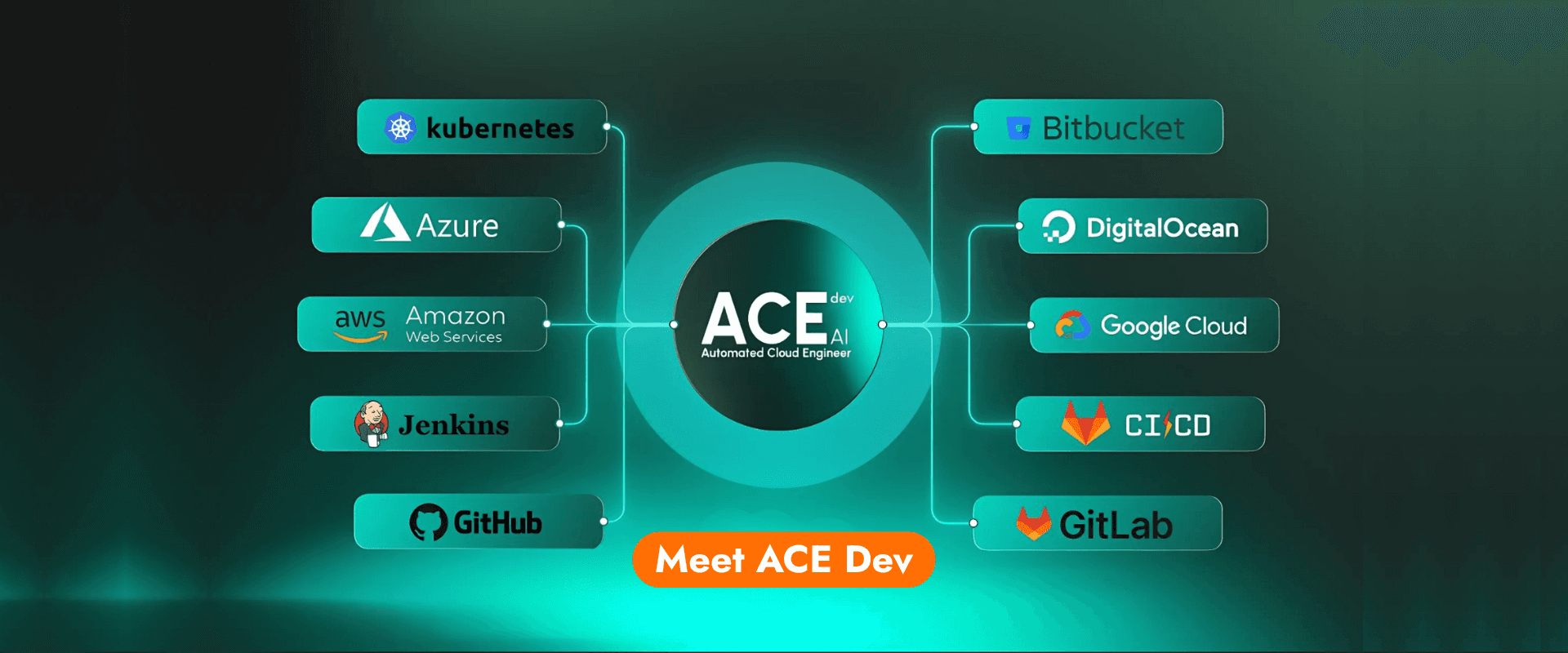
A real-world case from EZOps Cloud: after introducing ACE Dev - the pioneering AI Cloud Engineer Agent for DevOps, we saw a 45% drop in developer interruptions during deployment days. ACE Dev handled repetitive tasks, letting the team stay in flow.
4. VibeOps: the operational backbone of Vibe Coding
Vibe coding doesn’t mean chaos. It requires serious investment in observability, automation and guardrails. That’s where VibeOps comes in.
VibeOps refers to a mindset and set of practices that support developer happiness and productivity without compromising reliability, scalability or security.
It includes: AI-powered automation to remove toil, self-service infra to empower teams, progressive delivery to reduce risk, blameless retrospectives to foster trust and real-time dashboards to provide visibility.
This philosophy turns ops into a service, not a bottleneck.
5. Tools that amplify the Vibe
Some tools that support the vibe coding approach are:
GitHub Copilot / CodeWhisperer / ACE Dev by EZOps Cloud - Warp / Fig (modern terminal experiences) - PlanetScale / Supabase (serverless DBs that “just work”) - Linear / Height (project management that respects dev time) - Loom / Slack Huddles (async communication).
Tooling isn’t everything, but the right stack removes friction and protects your team’s vibe.
6. Common objections (and why they miss the point)
Critics say vibe coding is a soft concept or that it prioritizes feelings over outcomes. But here’s the reality: developer burnout is a business risk.
Organizations with poor DevEx have higher turnover, slower velocity and more bugs in production. Investing in the developer experience is a strategic, not sentimental, move.
7. How to get started: creating your team’s Vibe
You don’t need to rebuild your entire stack overnight. Start with:
Asking your developers what breaks their flow;
Auditing your onboarding experience;
Introducing async rituals (standup recordings, written updates);
Piloting an AI agent like ACE to offload routine work;
Creating dedicated time for deep work.
Vibe coding begins when leadership listens.
TL;DR: the future of DevOps is human-centered
Vibe coding isn’t just a cultural quirk. It’s a response to real challenges in engineering: burnout, complexity and misaligned incentives.
As tools like ACE Dev automate more of the ops grunt work, the human side of engineering becomes even more essential.
The teams that win won’t be those that code the fastest. They’ll be the ones that create environments where developers do their best work and actually enjoy it.
Do you want to see vibe coding in action? Let’s talk about how ACE Dev and our VibeOps philosophy can transform your engineering experience.
EZOps Cloud delivers secure and efficient Cloud and DevOps solutions worldwide, backed by a proven track record and a team of real experts dedicated to your growth, making us a top choice in the field.
EZOps Cloud: Cloud and DevOps merging expertise and innovation
